
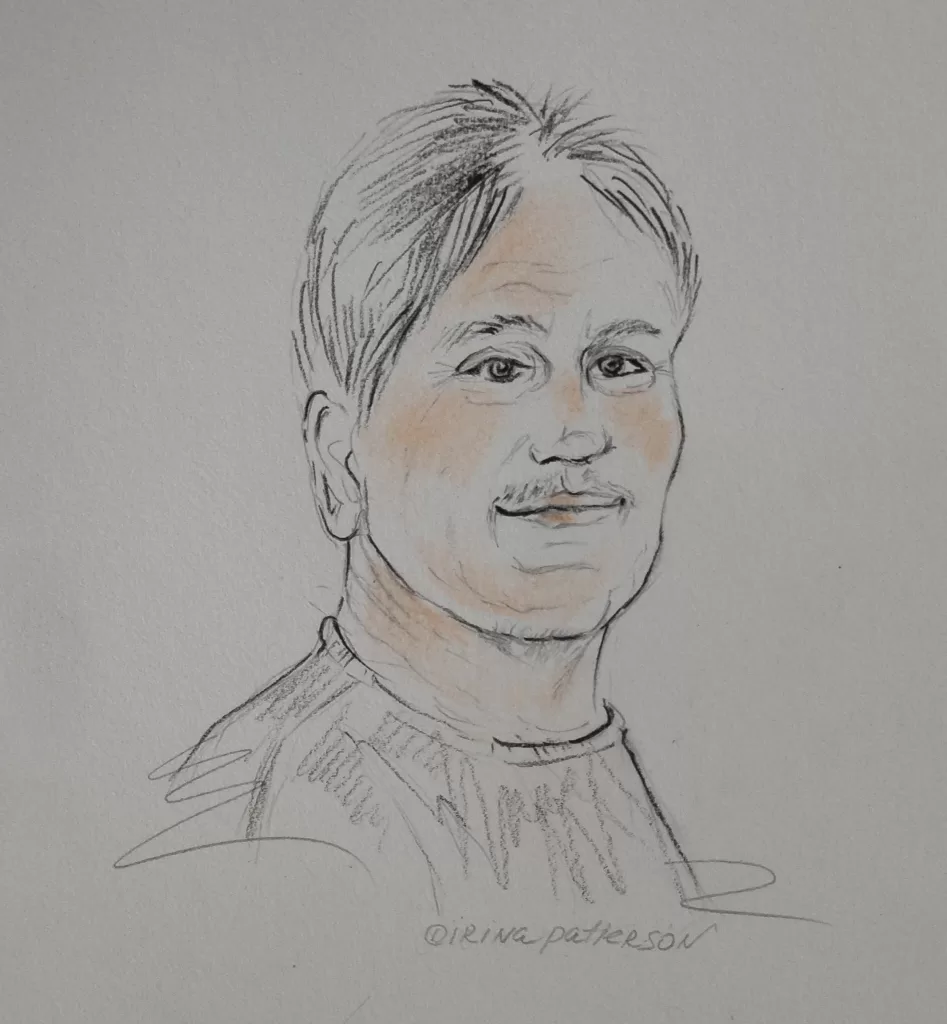

For David Hill, Jr., the Coconut Grove Arts Festival isn’t a seasonal event—it’s a way of life woven through five decades of family, work, and community. Born and raised in Miami, David grew up in his father’s businesses along U.S. 1 in South Miami, splitting his time between the family’s automotive shop and its restaurants.
“I worked the automotive shop during the day and worked restaurant business at nighttime, seven days,” he recalls. That blue-collar cadence—solve problems, keep moving, take care of people—became his compass for everything that followed.
50 Years Behind the Scenes
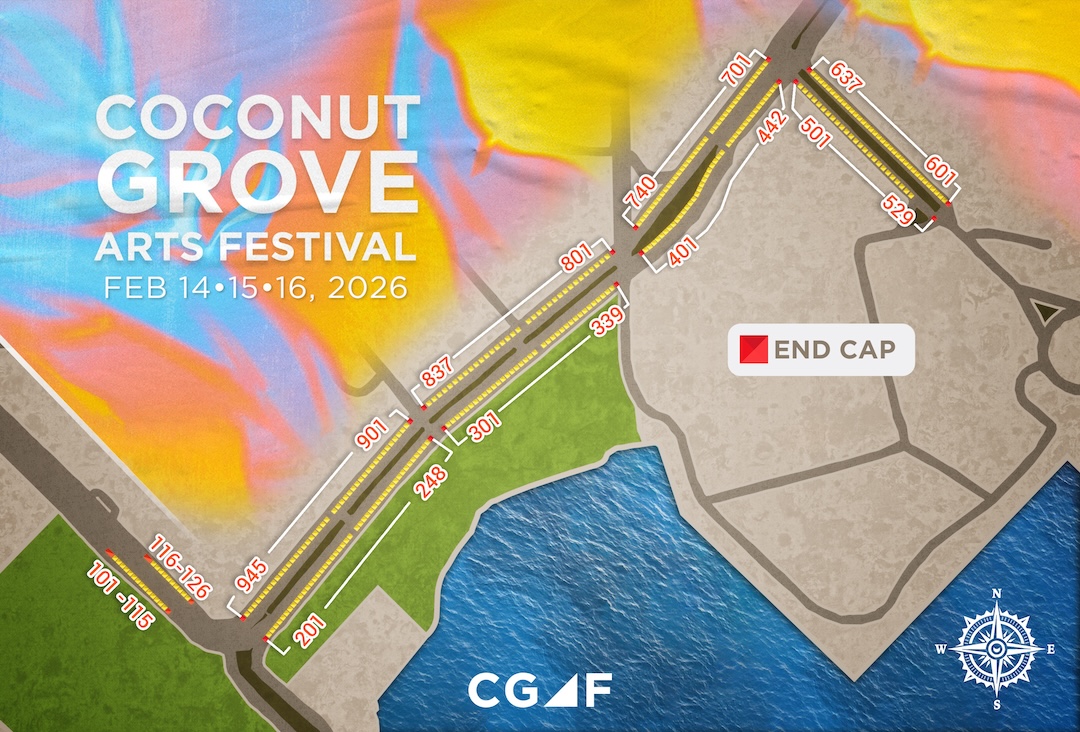
David’s connection to the festival started early. “I’ve been there every President’s Day weekend for 50 years,” he says. He was 15 when he first joined his father, a longtime board member, to help with the “nuts and bolts” of the event: banners, tents, police booths, layouts—the gritty infrastructure that turns a bayfront boulevard into a world-class art experience. When his father retired from the board in 2019, David stepped into the open seat. He’s now the board’s past chair, after serving two consecutive years.
His focus has always been the same: keep the festival running flawlessly from behind the curtain. “I was pretty much in charge of back of the house,” he explains. That responsibility stretches far beyond a long weekend. “I typically get there the Tuesday before the festival starts on Friday, and I leave the following Tuesday, and everything’s packed up, cleaned up, and done.”
The scale—and stakes—are substantial. Now entering its 63rd year, the CGAF has evolved while protecting its core mission. “The whole idea is to get people to look at—and fall in love with—artwork,” David says. He pushed early to remove costly culinary showcases that drifted from that mission, keeping the event centered on art. Branding has modernized too: “We try and have a different theme every year to keep things fresh.”
Raising the Bar for Artists
Quality control begins with who gets in. Artist applications have surged in recent years, now exceeding 1,200, while the show remains highly selective at 285 artists. To raise the bar, in recent year the board moved jurying to impartial, external jurors. “That’s been probably the best thing we’ve done,” David says, pleased to hear artists tell him on site, “You guys have changed the demographic and the look of the festival.”
David is candid about headwinds facing the arts—shrinking school arts programs, digital distractions, generational shifts—and just as clear about the response: invest in the pipeline. “You have to adapt with the change… to help them succeed.” CGAF’s Emerging Artists Program, he says, has already launched young artists into the world of traveling outdoor-arts festivals. Scholarships are growing too: “We upped the scholarship in 2026 to $5,000 per student at the high school level.” Community partnerships remain a point of pride, from outfitting Shake-A-Leg Miami with new sails branded with festival artwork to marshaling an army of volunteers, including students earning service hours.
A Living Archive of the Grove
David’s stories double as a living archive of the Grove. As a teenager, he ran a one-man logistics operation, “running five-gallon pails of piña colada and rum punch from Taurus, their family restaurant up on Main Highway, to the Gibson Foundation Rum-Punch booth—over 100 buckets in three days.” Some loss was inevitable. “By the time I got there, there was maybe about a gallon missing,” he laughs. “That’s a road tax, one could say.”
When torrential rain nearly turned the park into a lake one year, David called a landscaper at dawn. “He brought out 600 bags of mulch, and we had it all spread out before the show opened up.” The city vacuumed up the wood and bark on Monday, intending to reuse it. Problem solved; show saved.
If there’s a single thread running through David’s life at the Festival, it’s the satisfaction of hard problems met with practical ingenuity—and a mission bigger than any one weekend. “When you plan ahead and know what needs to be done before 10 o’clock on opening day, you have to be ready,” he says. By Saturday afternoon, the chaos smooths out. The artists sell. Families wander. The Grove feels like the Grove.
David shrugs off any spotlight. He prefers the work—quiet, exacting, essential. “I enjoy the festival. I enjoy meeting people. It’s that simple.”
After 50 years of lifting tents, laying out booths, and keeping the lights on, David Hill, Jr., is still building—artists, audiences, and a community that sees itself reflected in the art.